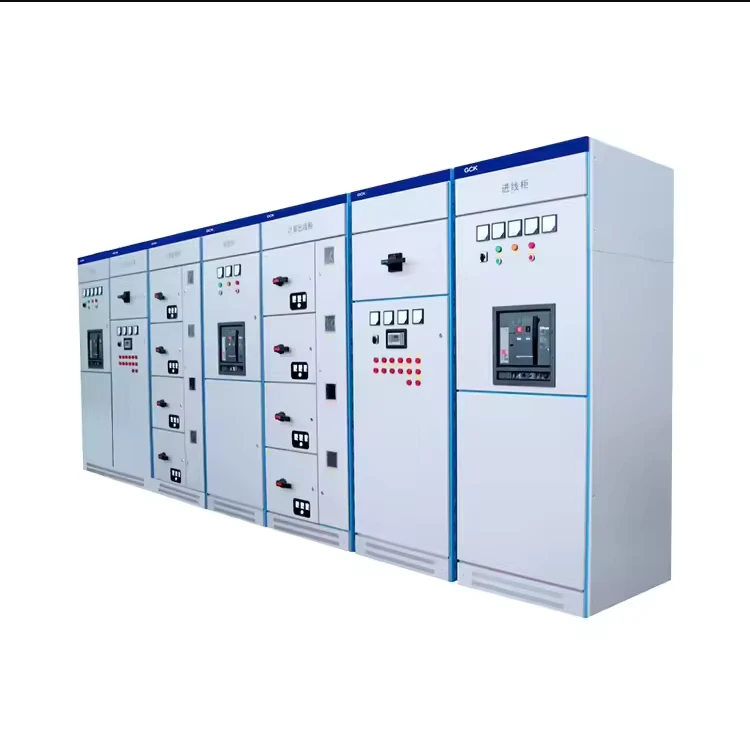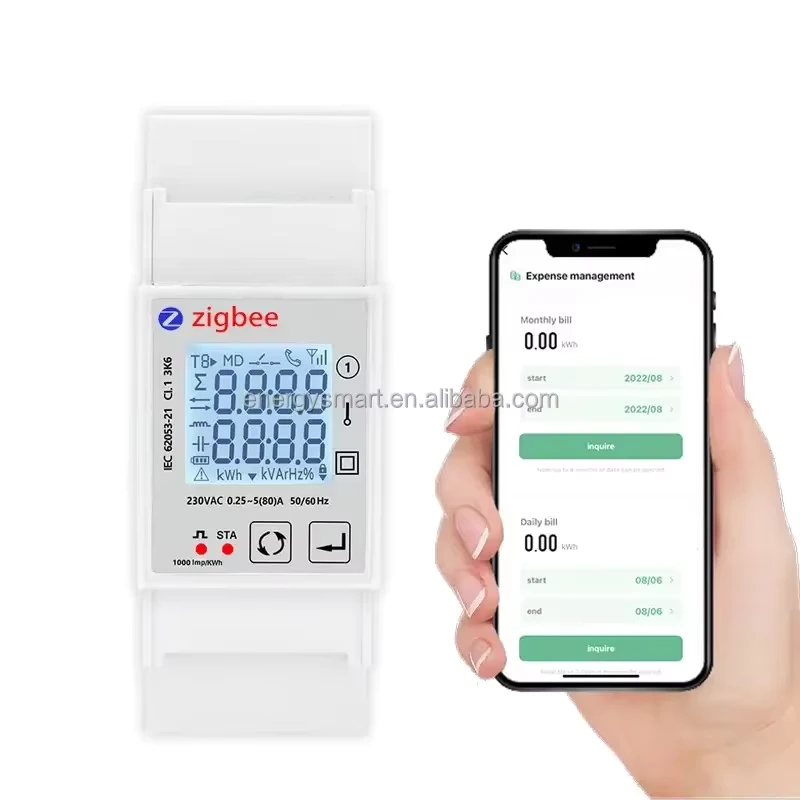

Compare DIN-rail, WiFi-enabled three-phase, and LCD coulombmeter formats for industrial panels, facilities, EVs, and RV battery systems.
Energy monitoring projects rarely fail because every meter is inadequate. More often, one format is expected to serve three very different jobs: fixed panel metering, connected protection, and battery supervision. Separating these functions early gives importers, distributors, and project buyers a cleaner specification and a more coherent product range.
Panel Metering and Connected Protection
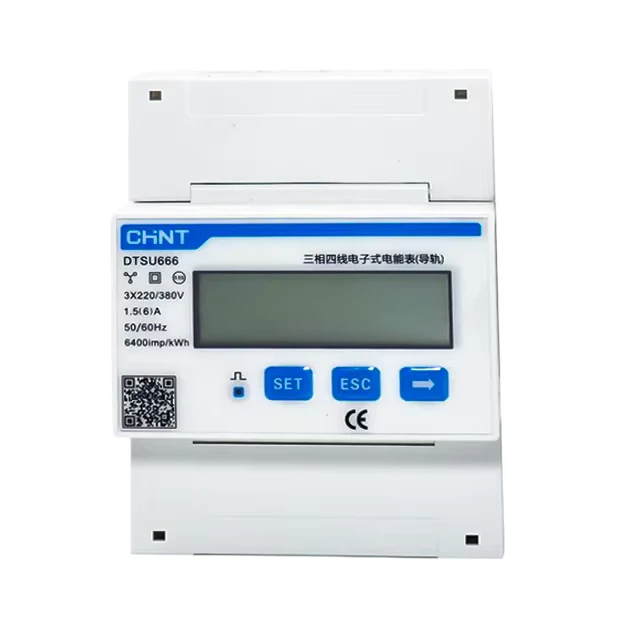
For compact distribution cabinets, the DIN-rail three-phase meter combines a modular 98 × 65 × 72 mm body with Class 1 accuracy. Its specified 80–260 V range, 0–999 kWh energy measurement, and -10°C to 60°C operating range suit straightforward industrial monitoring where space-efficient mounting matters.
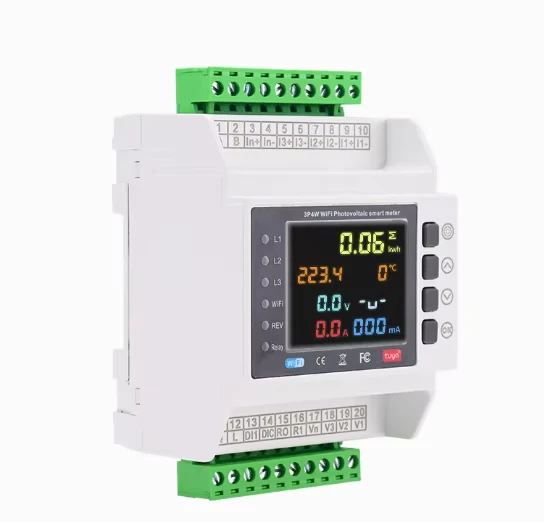
Where connectivity and electrical protection are part of the brief, the smart three-phase meter takes a different role. It is designed for three-phase, four-wire secondary measurement and lists Tuya WiFi connectivity, Class 1.0 accuracy, 1.5 A rated current, and 6 A maximum current. Over-current, overload, over-voltage, and under-voltage protection make it relevant to connected control cabinets.
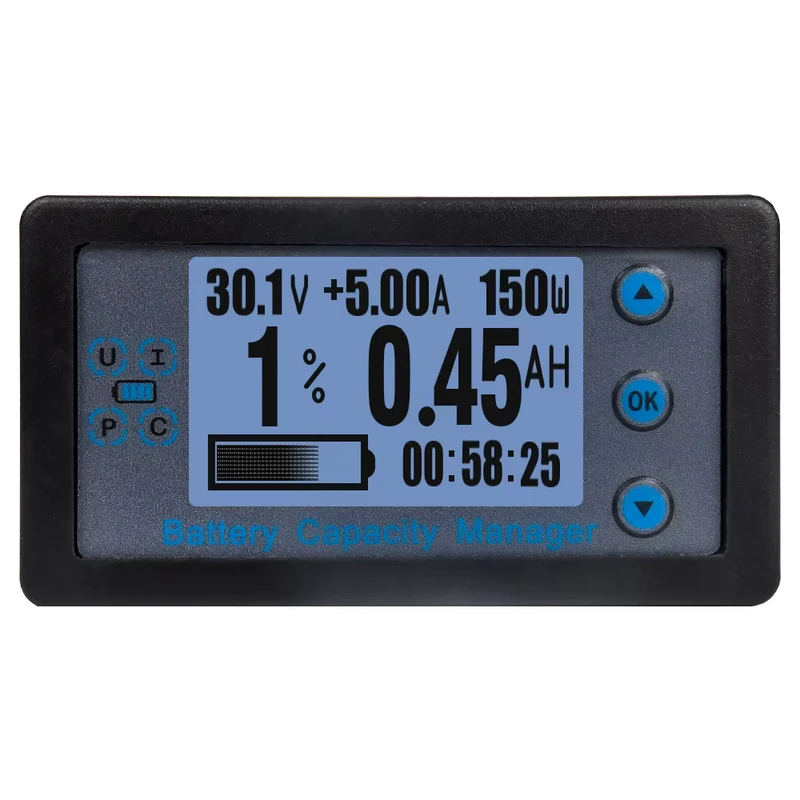
Battery-Side Measurement
Battery applications call for another measurement approach. The LCD coulombmeter measures voltage and current for electric vehicles, RVs, and battery-based equipment while emphasizing low power consumption and high precision. Its 130 × 80 × 90 mm dimensions should be reviewed alongside the target enclosure, display position, cable routing, and service access.
A strong sourcing brief should define AC or battery architecture, wiring method, measurement range, panel space, connectivity, protection requirements, and operating temperature. Buyers can compare these options in our voltage meter range, then request datasheets, wiring details, pricing, samples, and supply terms for the configuration that fits their market.